
5 Best Foods to Boost Metabolism Naturally

We’ve all seen it: that one person who seems to eat whatever they want without gaining a pound. Meanwhile, many of us feel like we gain weight just by looking at a dessert. The difference often comes down to one thing—Metabolism. Metabolism is the process by which your body converts what you eat and drink into energy. If your “engine” is running slow, burning fat feels like an uphill battle. While genetics play a role, you can naturally give your metabolism a nudge with the right fuel. At Prestige Health Care, we believe that nutrition is the foundation of any successful medical weight loss journey. Here are five foods that can help supercharge your metabolism naturally. 1. High-Protein Foods (Lean Meats, Eggs, & Beans) Your body burns significantly more calories digesting protein than it does fat or carbs. This is known as the Thermic Effect of Food (TEF). 2. Chili Peppers (The Power of Capsaicin) If you enjoy a bit of heat in your food, you’re in luck. Chili peppers contain Capsaicin, a compound that can slightly increase your body temperature and heart rate. 3. Green Tea and Black Coffee Caffeine isn’t just for waking you up; it’s a powerful metabolic stimulant. Green tea specifically contains Catechins, which work alongside caffeine to improve fat oxidation. 4. Whole Grains (Oats, Quinoa, and Brown Rice) Unlike refined “white” grains (like white bread or pasta), whole grains are packed with fiber. Your body has to work much harder to break down complex fibers. 5. Water: The Simple Miracle Hydration is the most overlooked metabolic booster. Drinking water increases your metabolism by up to 30% for about an hour after drinking it. When Food Isn’t Enough: The Prestige Advantage While these foods provide a great natural boost, sometimes weight loss requires a more clinical approach. At Prestige Health Care, we go beyond “just a diet.” We look at hormonal balances, underlying health conditions, and lifestyle factors to create a Medical Weight Loss Management plan tailored specifically for you. If you’ve been eating right and exercising but the scale won’t budge, it might be time for a professional metabolic assessment. Frequently Asked Questions (FAQs) Q: Can I lose weight just by eating these foods? A: These foods are “boosters.” For sustainable weight loss, they should be part of a balanced diet and an active lifestyle. Our medical team can help you build a complete plan. Q: Does metabolism slow down with age? A: Yes, naturally metabolism slows as we lose muscle mass over time. However, high-protein diets and strength training can help combat this decline. Q: How do I know if my metabolism is slow? A: Signs include difficulty losing weight despite dieting, constant fatigue, dry skin, and feeling cold often. A consultation at Prestige Health Care can help diagnose the cause. Ready to Transform Your Health? Don’t let a slow metabolism hold you back. Whether you need Urgent Care or a dedicated Weight Loss partner, Prestige Health Care is here to support the Union City and Fairburn communities.
Pain Management for Accidents: A Complete Beginner’s Guide

Accident Pain Relief: Your Complete Recovery Guide Every year, millions of Americans experience the sudden shock of an accident, leaving them struggling with unexpected pain and uncertainty about recovery. Whether you’ve been through a car collision, workplace incident, or slip-and-fall, understanding how to manage your pain effectively can mean the difference between a quick recovery and months of suffering. If you’re reading this while dealing with post-accident discomfort, you’re not alone—and more importantly, you don’t have to navigate this journey without guidance. This complete beginner’s guide walks you through everything you need to know about managing accident-related pain, from immediate relief strategies to long-term treatment options that actually work. Understanding Different Types of Accident Pain Before diving into treatment methods, it’s crucial to recognize that not all pain is created equal. Medical professionals typically classify accident-related pain into two distinct categories that determine your recovery approach. Acute pain appears immediately after impact and signals fresh tissue damage. This sharp, intense discomfort serves as your body’s alarm system, alerting you that something needs attention. The silver lining? When addressed promptly, acute pain typically resolves within days or weeks with proper care. Chronic pain develops when injuries aren’t properly treated or when tissue damage extends beyond normal healing time. This persistent discomfort can last months or even years, requiring comprehensive pain management for accidents strategies that address both physical and psychological factors. Immediate Steps to Take After an Accident The first 72 hours after an accident are absolutely critical for your recovery trajectory. Taking the right actions during this golden window can prevent complications and set you on the path to faster healing. Seek Medical Evaluation Immediately Even if you feel “fine,” many serious injuries don’t show symptoms right away. Whiplash, internal bleeding, and traumatic brain injuries can have delayed onset, appearing hours or even days after the incident. A thorough medical examination documents your injuries for insurance purposes and catches hidden problems before they escalate. Apply the R.I.C.E. Method This time-tested approach provides immediate relief for many soft tissue injuries: Document Everything Keep detailed records of your symptoms, medical visits, and how pain affects your daily activities. This documentation proves invaluable for both treatment adjustments and legal matters. Most Common Accident Injuries and Their Pain Patterns Understanding your specific injury type helps you recognize warning signs and communicate effectively with healthcare providers. Whiplash and Neck Injuries This signature car accident injury occurs when your head snaps forward and backward violently. Symptoms include neck stiffness, headaches, shoulder pain, and dizziness. Pain may not appear until 24-48 hours post-accident. Spinal Injuries and Back Pain Trauma to vertebrae, discs, or surrounding muscles causes sharp pain, numbness, or tingling that radiates down your limbs. These injuries require immediate professional evaluation to prevent permanent damage. Soft Tissue Damage Torn muscles, strained ligaments, and bruised tendons throughout your body create persistent aching pain that worsens with movement. These injuries affect your back, shoulders, knees, and ankles most commonly. Fractures and Broken Bones Sudden, severe pain accompanied by swelling, visible deformity, or inability to bear weight signals broken bones requiring emergency treatment. Short-Term Pain Relief Options That Work For acute pain lasting less than three months, several effective strategies can provide relief while your body heals naturally. Over-the-Counter Medications Non-steroidal anti-inflammatory drugs (NSAIDs) like ibuprofen reduce both pain and inflammation. Acetaminophen works well for pain without inflammation. Always follow dosage instructions and consult your doctor if taking medications longer than 10 days. Hot and Cold Therapy Alternate between ice (first 48-72 hours) and heat (after 72 hours) to manage inflammation and promote blood flow. Heat therapy relaxes tense muscles and increases circulation, while cold therapy numbs acute pain and reduces swelling. Supportive Braces and Wraps Neck collars, back braces, and compression wraps stabilize injured areas during healing, preventing re-injury while you go about daily activities. Gentle Movement and Stretching Light activity within your comfort zone prevents stiffness without aggravating injuries. Your doctor or physical therapist can recommend specific stretches tailored to your injury. Long-Term Treatment Options for Lasting Recovery When pain persists beyond three months or significantly impacts your quality of life, comprehensive Effective Pain Management for Lasting Relief becomes essential. Physical Therapy: Your Foundation for Recovery Physical therapy remains the gold standard for accident recovery. Licensed therapists create customized exercise programs that: Treatment typically includes manual therapy, therapeutic exercises, ultrasound therapy, electrical stimulation, and functional training. Most patients attend sessions 2-3 times weekly for 6-12 weeks, though severe injuries may require longer treatment. Chiropractic Care for Spinal Alignment Chiropractors use precise spinal adjustments to realign vertebrae, reduce nerve pressure, and restore proper function. This hands-on approach particularly benefits whiplash, back pain, and neck injuries. Pain Management Injections When conservative treatments aren’t enough, targeted injections provide powerful relief: Prescription Medications For severe or chronic pain, your doctor may prescribe muscle relaxants, stronger anti-inflammatories, or short-term pain relievers. Always use prescription medications exactly as directed and communicate any side effects immediately. Advanced Interventional Procedures Complex cases may benefit from radiofrequency ablation (heating nerve tissue to block pain signals), spinal cord stimulation, or regenerative medicine treatments like platelet-rich plasma (PRP) therapy. Natural Pain Relief Strategies to Complement Medical Treatment Holistic approaches enhance your recovery when combined with conventional treatment. Massage Therapy Professional massage increases blood flow, releases muscle tension, breaks up scar tissue, and promotes relaxation—all contributing to pain reduction and faster healing. Acupuncture This ancient practice stimulates specific body points to reduce pain and inflammation. Many accident victims report significant relief when acupuncture complements their treatment plan. Mind-Body Techniques Chronic pain has psychological components that respond well to: These techniques reduce muscle tension, lower stress hormones, and improve your pain tolerance. Nutritional Support Anti-inflammatory foods like fatty fish, leafy greens, berries, and nuts support healing. Stay well-hydrated and avoid inflammatory foods like processed sugars and trans fats. Red Flags: When to Seek Immediate Medical Attention Certain symptoms signal serious complications requiring emergency care. Don’t hesitate—call 911 or visit the emergency room if you experience: Recovery Timeline: What to
11 Proven Ways to Ease Pain and Improve Your Quality of Life

Living with pain doesn’t have to control your life. Whether you’re dealing with acute discomfort or chronic pain that has persisted for months or years, these evidence-based strategies can help you find relief and reclaim your well-being. At Prestige Health, we understand that pain affects every aspect of your life—from your physical activities to your emotional health. That’s why we’ve compiled these 11 practical, tried-and-tested approaches to help you manage and reduce pain effectively. 1. Start with Gentle, Regular Exercise Movement might seem counterintuitive when you’re in pain, but gentle exercise is one of the most powerful pain relievers available. Activities like walking, swimming, yoga, or even light stretching work by: Start small: Begin with just 5-10 minutes daily and gradually increase. The initial discomfort you feel is your body adapting, not damage occurring. Remember, the long-term benefits far outweigh temporary increases in discomfort. Prestige Health Tip: Our healthcare providers can design a personalized exercise plan that’s safe and effective for your specific condition. Schedule a consultation to get started on the right path. 2. Harness the Power of IV Hydration and Nutrient Therapy Dehydration and nutrient deficiencies can significantly worsen pain perception and slow healing. IV therapy delivers essential vitamins, minerals, and hydration directly into your bloodstream, bypassing digestive limitations. How it helps with pain: At Prestige Health, we offer customized IV infusion therapy in private, comfortable suites designed specifically for your relaxation and healing. Our medical team creates personalized formulations to address your unique pain management needs. 3. Master Your Breathing to Control Pain Your breath is a powerful, free tool you carry everywhere. When pain strikes, most people unconsciously take rapid, shallow breaths—which increases anxiety and muscle tension, making pain worse. Try this proven technique: Deep, controlled breathing activates your parasympathetic nervous system, triggering your body’s natural relaxation response and reducing pain perception. 4. Prioritize Quality Sleep for Pain Recovery Poor sleep and pain create a vicious cycle—pain disrupts sleep, and sleep deprivation intensifies pain. Breaking this cycle is crucial for healing. Sleep hygiene strategies: If sleep problems persist beyond 2-3 weeks, consult with our healthcare team at Prestige Health. We can identify underlying issues and develop a treatment plan. 5. Explore Talking Therapies and Pain Psychology Chronic pain affects your mental health, and your mental state affects your pain—it’s a two-way street. Anxiety, depression, and stress can amplify pain signals, while addressing these emotional factors can significantly reduce pain intensity. Therapeutic approaches that help: These aren’t just “thinking positively”—they’re evidence-based treatments that physically change how your brain processes pain signals. 6. Use Distraction as a Strategic Tool Your brain has limited attention capacity. When you focus intensely on activities you enjoy, there’s less mental space available to process pain signals. Effective distraction strategies: The key is genuine engagement—passive activities work less effectively than active involvement. 7. Apply Heat and Cold Therapy Strategically Temperature therapy is simple but remarkably effective when used correctly: Cold therapy (ice packs, cold compresses): Heat therapy (heating pads, warm baths): Pro tip: Never apply ice or heat directly to skin—always use a protective layer. 8. Stay Connected with Your Support Network Social isolation intensifies pain perception, while strong social connections have measurable pain-relieving effects. Your relationships are medicine. Ways to maintain connections despite pain: At Prestige Health, we view family involvement as part of comprehensive care. We encourage bringing loved ones to appointments when helpful. 9. Practice Relaxation Techniques Daily Regular relaxation practice literally rewires your nervous system over time, reducing baseline pain levels. Evidence-based relaxation methods: Consistency matters more than duration—even 10 minutes daily produces better results than occasional longer sessions. 10. Maintain a Healthy, Anti-Inflammatory Diet What you eat directly impacts inflammation levels and pain intensity. While diet alone won’t eliminate pain, it’s a powerful supporting factor. Foods that fight inflammation: Foods that may worsen pain: Our healthcare providers at Prestige Health can assess whether nutritional deficiencies are contributing to your pain and recommend appropriate dietary changes or supplementation. 11. Develop a Comprehensive Pain Management Plan with Your Healthcare Provider Pain is complex and individual—what works for one person may not work for another. A personalized, multifaceted approach yields the best results. At Prestige Health, we create integrated pain management plans that may include: Our approach focuses on treating the whole person, not just symptoms. We’re committed to helping you achieve lasting pain relief and improved quality of life. Your Journey to Pain Relief Starts Today You don’t have to navigate pain management alone. These 11 strategies work best when combined as part of a comprehensive approach tailored to your unique situation. Ready to take control of your pain? Contact Prestige Health today to schedule a consultation. Whether you’re in Union City, Georgia, or the Houston area, our experienced medical team is here to help you develop an effective, personalized pain management plan. Remember: Chronic pain is not something you just have to “live with”—effective solutions exist, and relief is possible. Prestige Health – Comprehensive Healthcare for Individuals and FamiliesOffering annual check-ups, disease management, preventive care, and customized IV infusion therapy 📞 Schedule your appointment today and take the first step toward a life with less pain.
Lose 10 Pounds in Just 7 Days with This Weight Loss Treatment!

Losing weight is a goal many of us strive for, but finding a weight loss program that is effective, sustainable, and not just another quick fix can be a real challenge. Traditional methods often involve extreme calorie restrictions or intense workouts that are difficult to maintain, leading many to fall short of their goals. But what if there was a more balanced, holistic approach to weight loss that could help you shed pounds without feeling deprived or overwhelmed? At Prestige Health & Wellness, we believe in focusing on sustainable weight loss, empowering our clients to make healthier, more mindful choices. In this blog, we’ll discuss how you can lose 10 pounds in just 7 days with a comprehensive weight loss treatment plan designed to help you transform your lifestyle, adopt healthier habits, and achieve lasting results. Understanding the Basics of Healthy Weight Loss The key to losing weight is not just about cutting calories or exercising excessively. It’s about making small, sustainable changes to your daily routine that promote overall health. Whether you’re looking to lose weight for the first time, facing a plateau, or simply aiming to improve your health, adopting a comprehensive approach that includes healthy eating, physical activity, mental wellness, and proper hydration is essential for lasting success. How Does This Weight Loss Treatment Work? Our weight loss treatment is based on a scientifically-backed approach designed to help you make positive changes that fit seamlessly into your life. Here are the key components of our program: Key Steps to Lose 10 Pounds in 7 Days While losing 10 pounds in just seven days may sound ambitious, it’s achievable with the right approach. Here’s a breakdown of how our weight loss treatment can help you achieve this goal: 1. Revitalize Your Diet To jumpstart your weight loss, the first step is to eliminate processed foods, sugary drinks, and excess salt from your diet. Instead, focus on nutrient-dense foods that promote fat loss and support overall health. You can follow these basic dietary tips to accelerate your progress: 2. Exercise for Fat Loss Exercise is an essential part of any weight loss journey, and increasing your activity level can significantly enhance fat loss. Aim for a minimum of 30 minutes of exercise per day, and if possible, add resistance training and high-intensity interval training (HIIT) to your routine. These exercises can increase your metabolism, burn fat, and help you reach your weight loss goals more efficiently. If you’re new to exercise, start with moderate-intensity cardio, such as walking, cycling, or swimming, and gradually work your way up. Over time, incorporating strength training will help you build muscle, which boosts your metabolism and burns fat even while at rest. 3. Mindful Eating Practices Mindful eating helps you build a better relationship with food and prevent overeating. Focus on eating slowly, savoring each bite, and listening to your body’s hunger cues. Avoid distractions like watching TV or scrolling through your phone while eating, as this can lead to overeating without even realizing it. By being more conscious of your eating habits, you’ll start to make healthier choices without feeling deprived. 4. Focus on Sleep and Stress Management Both sleep and stress play significant roles in weight management. Lack of sleep increases hunger hormones and cravings, making it harder to stick to a healthy eating plan. Similarly, chronic stress can lead to emotional eating and unhealthy food choices. Make sure you’re getting enough sleep (7–9 hours per night) and practice stress management techniques such as meditation, deep breathing, or yoga to keep cortisol levels in check. Frequently Asked Questions Conclusion Losing 10 pounds in just 7 days is achievable with the right approach, but it’s important to focus on healthy, sustainable changes rather than drastic measures. At Prestige Health & Wellness, we offer a weight loss treatment that emphasizes long-term health through balanced nutrition, regular physical activity, and positive behavior changes. By adopting these habits, you’ll not only shed pounds but also create a healthier lifestyle that you can maintain for the rest of your life. For more information on our weight loss programs and to start your journey to a healthier, happier you, visit Prestige Health & Wellness.
How to Choose the Best Weight Loss Treatment Clinic in Union, GA

Embarking on a weight loss journey is a significant decision that requires careful consideration, especially when selecting a treatment clinic. In Union, GA, numerous clinics offer weight loss services, but choosing the right one can be overwhelming. This guide aims to provide you with essential factors to consider, ensuring you make an informed choice that aligns with your health goals. 1. Credentials and Expertise Board-Certified Specialists When evaluating a weight loss clinic, it’s crucial to ensure that the facility is staffed by licensed physicians who are board-certified in obesity medicine or related fields. Board certification indicates that the specialists have undergone rigorous training and possess the necessary expertise to manage weight loss effectively. This ensures that the treatments provided are based on the latest medical standards and research. Multidisciplinary Team A comprehensive weight loss program should involve a team of professionals, including registered dietitians, nutritionists, fitness experts, and mental health professionals. This multidisciplinary approach addresses the various facets of weight loss, from dietary habits to emotional well-being, ensuring a holistic treatment plan tailored to individual needs. Accreditation and Certification Reputable clinics often seek accreditation from recognized medical organizations. Accreditation signifies that the clinic adheres to high standards of care, patient safety, and ethical practices. It’s advisable to inquire about the clinic’s accreditation status and any certifications held by its staff. 2. Program Structure and Personalization Evidence-Based Approach Opt for clinics that utilize methods and treatments backed by scientific research and clinical evidence. Be cautious of programs that promise unrealistic results or quick fixes. Evidence-based treatments have been proven to be effective and safe, providing a solid foundation for your weight loss journey. Personalized Treatment Plans Each individual’s weight loss needs are unique. The best clinics offer personalized treatment plans that consider your health status, lifestyle, and goals. This tailored approach increases the likelihood of successful and sustainable weight loss outcomes. Comprehensive Services A holistic approach to weight loss includes addressing diet, exercise, behavioral changes, and mental health aspects. Clinics that offer a range of services ensure that all factors influencing weight are considered, leading to more effective and lasting results. Monitoring and Safety Protocols Regular monitoring of vital signs and laboratory tests is essential, especially if prescription medications are part of the treatment plan. Ensure that the clinic provides medical supervision and has safety protocols in place to manage any potential side effects or complications. Sustainable Strategies Focus on clinics that emphasize building sustainable healthy habits for long-term weight management. Avoid programs that promote drastic measures or temporary solutions, as these often lead to weight regain and potential health issues. 3. Support and Communication Ongoing Support and Monitoring Effective weight loss requires continuous support and guidance. Choose clinics that offer regular check-ins, follow-up appointments, and access to professionals who can help you adjust your plan and overcome challenges. Ongoing support enhances motivation and accountability, increasing the chances of success. Behavioral Support Weight loss is not solely about diet and exercise; emotional and psychological factors play a significant role. Look for clinics that provide resources and strategies for addressing emotional eating, stress management, and other behavioral aspects that impact weight. Clear Communication The clinic should be transparent about their approach, treatment options, potential risks, and expected outcomes. They should take the time to answer your questions and address your concerns, fostering a trusting and collaborative relationship. Support System Consider whether the clinic offers group support, access to online communities, or resources for family and friends to be involved in your weight loss journey. A strong support system can provide encouragement and motivation throughout the process. 4. Practical Considerations Location and Convenience Choose a clinic that is easily accessible and fits with your schedule and lifestyle. Proximity to your home or workplace can make attending appointments more convenient, reducing the likelihood of missed sessions. Cost and Insurance Coverage Inquire about the total cost of the program, including any associated fees for products, tests, or counseling sessions. Check if the clinic accepts your health insurance or offers financing options. Understanding the financial aspects upfront can help you make an informed decision. Clinic Atmosphere The clinic environment should be welcoming and comfortable, where you feel safe and supported to discuss your weight loss journey. A positive atmosphere can enhance your overall experience and contribute to your success. 5. Reputation and Track Record Reviews and Testimonials Look for reviews and testimonials from past patients to gauge the clinic’s reputation, quality of care, and effectiveness of their programs. Positive feedback can provide insights into the clinic’s strengths and patient satisfaction. Success Rates Ask the clinic for information on their typical success rates, average weight loss achieved by patients, and long-term weight maintenance outcomes. High success rates can indicate the clinic’s effectiveness in helping patients achieve their weight loss goals. Patient Experience Pay attention to how the staff interacts with patients and whether they provide a supportive and nonjudgmental environment. A positive patient experience can enhance your motivation and commitment to the program. 6. Customized Weight Loss Strategies A one-size-fits-all approach is often ineffective in weight loss. Look for clinics that offer Customized Weight Loss Strategies, tailoring plans to your unique needs, preferences, and goals. Personalized strategies increase the likelihood of success and sustainability. FAQs 1. How do I know if a weight loss clinic is reputable? Look for clinics with board-certified specialists, positive patient reviews, and accreditation from recognized medical organizations. A reputable clinic will be transparent about their services and success rates. 2. Are weight loss medications safe? Weight loss medications can be effective when prescribed and monitored by qualified healthcare professionals. It’s essential to discuss potential risks and benefits with your doctor before starting any medication. 3. What should I expect during my first visit to a weight loss clinic? Your initial consultation will likely involve a comprehensive assessment of your health history, lifestyle, and weight loss goals. The clinic may conduct physical exams, laboratory tests, and discuss potential treatment options. 4. How long will it take to see results? The timeline for
Top 5 Urgent Care Clinics in Union City
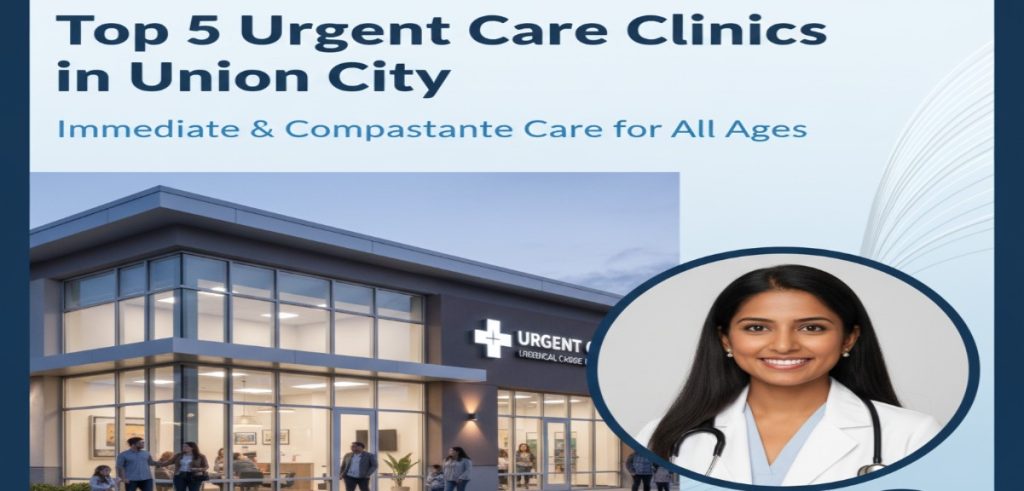
It’s a familiar scenario: a child spikes a fever on a Saturday afternoon, you twist an ankle during a morning run, or you wake up with a sore throat so painful you can barely swallow. Your primary care physician’s office is closed, but your condition doesn’t feel severe enough to warrant a long, expensive, and stressful trip to the hospital emergency room. This is the critical healthcare gap where the modern urgent care clinics in Union City have become an indispensable community resource. For the vibrant and densely populated community of Union City, New Jersey, having quick access to high-quality medical care isn’t just a convenience—it’s a necessity. Urgent care centers in Union City provide a vital service, offering a sophisticated and efficient alternative for immediate medical needs that are not life-threatening. They are designed for speed, accessibility, and affordability, ensuring you and your family can get the treatment you need, right when you need it. This guide will provide a deep dive into the role of urgent care, helping you understand when to use it, and offering a detailed review of the top 5 urgent care clinics in Union City serving Union City residents. A Detailed Look at the Top 5 Urgent Care Clinics Serving Union City We have analyzed clinics based on their scope of services, network affiliation, patient reviews, and accessibility to Union City residents to bring you this comprehensive list. 1. Prestigehuc Location: 3196 Kennedy Blvd, Union City, NJ 07087 As one of the most recognized names in urgent care in the tri-state area, Prestigehuc brings a high level of professionalism and standardization to its Union City location. Its modern approach to healthcare is evident from the moment you walk in. In-Depth Services: Beyond standard illness care (flu, strep throat, infections), Prestigehuc offers robust on-site diagnostics. Their digital X-ray capabilities can quickly diagnose pneumonia, dislocations, and simple fractures. Their on-site lab handles a battery of tests, including urinalysis, pregnancy tests, and rapid tests for flu and COVID-19, often providing results within the same visit. They also provide physicals for sports, school, and employment (including DOT physicals). The Patient Experience: The check-in process is streamlined, with options to register online beforehand to save time. The facilities are consistently reported as clean, bright, and well-organized. After your visit, Prestigehuc provides access to an online patient portal where you can view your results and visit summaries. Their affiliation with Summit Health provides a direct pathway to a large network of specialists for seamless follow-up care if needed. Best For: Individuals and families seeking a highly reliable, one-stop-shop for a wide array of common medical needs, backed by a large and reputable healthcare network. 2. Hackensack Meridian Urgent Care – North Bergen Location: 7405 Bergenline Ave, North Bergen, NJ 07047 Located just minutes from Union City, this clinic carries the weight and resources of the Hackensack Meridian Health network, one of New Jersey’s most prestigious healthcare systems. This connection is its most significant advantage. In-Depth Services: This clinic excels in providing coordinated care. While offering a full suite of urgent care services—from treating infections and injuries to providing vaccinations—its true power lies in its integration. If your condition requires a specialist (e.g., an orthopedist for a complex fracture or a cardiologist), the referral process is streamlined within the Hackensack Meridian network. They have a particular focus on community health, offering services relevant to families, including pediatric urgent care services. The Patient Experience: Patients can expect a level of care consistent with a major hospital system. The staff is highly trained, and the facility is equipped with advanced medical technology. Wait times can often be checked online, allowing patients to plan their visit. The confidence that comes from being treated within a system known for its clinical excellence is a recurring theme in patient feedback. Best For: Patients who prioritize the security and resources of a major hospital system, and those who may require an easy referral to a network of top-tier specialists. 3. Prompt MD Urgent Care – Hoboken Location: 309 1st St, Hoboken, NJ 07030 A short trip from Union City, Prompt MD has built a stellar reputation by blending the convenience of an urgent care clinic with the personalized feel of a traditional doctor’s office. Their physician-led approach emphasizes patient comfort and clear communication. In-Depth Services: Prompt MD handles a wide range of needs, from laceration repair (stitches) and abscess drainage to splinting for sprains. Their on-site digital X-rays are read by board-certified radiologists. They also offer comprehensive occupational health services for local businesses and wellness services like IV hydration therapy. The Patient Experience: What truly sets Prompt MD apart, according to patient reviews, is the bedside manner of its staff. Doctors are frequently praised for taking the time to listen to concerns, explain diagnoses in understandable terms, and develop a clear treatment plan. This focus on the patient-doctor relationship makes the experience less transactional and more reassuring. Best For: Individuals seeking a more personal touch and who value clear, compassionate communication from their medical providers. 4. AFC Urgent Care – West New York Location: 6028 Bergenline Ave, West New York, NJ 07093 American Family Care (AFC) is a leading national franchise, and their model is built on accessibility and comprehensive on-site services. Their West New York center is an excellent, convenient option for Union City residents seeking urgent care clinics. In-Depth Services: AFC’s key strength is its on-site diagnostic capability. With a CLIA-certified laboratory, they can perform a wider range of tests than many smaller clinics, leading to faster diagnoses. This includes blood tests, cultures, and more. They offer everything from standard urgent care for injuries and infections to travel medicine consultations and vaccines, making them a versatile choice. The Patient Experience: AFC clinics are designed for efficiency. They are typically open 7 days a week with extended hours, accommodating busy schedules. The process is straightforward, aiming to get patients seen, diagnosed, treated, and on their way. While part of a large national chain, the local
Why Timely Personal Injury Medical Treatment Is Crucial After an Accident

Why Timely Medical Treatment Is Crucial After an Accident Accidents can happen when we least expect them, leaving victims with physical, emotional, and financial challenges. While it’s important to seek compensation for your injuries, one crucial aspect of recovery often gets overlooked: seeking timely medical treatment. Here’s why it is essential to prioritize medical care after an accident and how it can affect your recovery and potential legal claims. 1. Immediate Treatment Prevents Long-Term Damage After an accident, your body may not immediately show signs of injury. Soft tissue damage, internal injuries, or subtle fractures can be easily missed without a thorough examination. Delaying medical attention can lead to worsening symptoms or complications, making it harder to recover in the future. Early Diagnosis is Key Timely treatment can address issues like whiplash, concussions, and sprains before they develop into chronic conditions, providing you with a smoother road to recovery. 2. Medical Records Support Your Legal Case If you’re planning to file a personal injury claim, your medical records will play a key role in supporting your case. Documentation Matters Insurance companies and legal teams rely on documented evidence to evaluate the severity of your injuries and determine appropriate compensation. Seeking prompt medical attention creates a clear timeline of your injuries, strengthening your case and providing an objective record of the treatments you received. 3. Reduces Risk of Long-Term Disability Some injuries, such as back pain, joint problems, or head trauma, can result in long-term disabilities if left untreated. Preventative Care Saves You Later Prompt medical intervention can help mitigate the risk of permanent damage by addressing the root cause early on. For example, chiropractic care or physical therapy may be necessary to regain mobility and strength after an accident. 4. Helps Alleviate Pain Faster The sooner you receive medical attention, the sooner you can begin managing and alleviating pain. Access to Proper Pain Management Pain management techniques such as medication, physical therapy, or specialized treatments can help you recover more comfortably and get back to your routine. 5. Establishes a Comprehensive Treatment Plan Accident recovery isn’t just about managing symptoms—it’s about creating a comprehensive plan for healing. Personalized Healing Strategy Timely medical treatment allows healthcare professionals to assess your injuries and create a tailored plan to address both short-term and long-term needs. This can include physical therapy, surgery, medication, or follow-up appointments. 6. Protects Your Health and Well-Being Ultimately, seeking medical attention right away is the best way to ensure that your body heals properly and that no underlying issues are missed. Long-Term Health Begins with Quick Action Timely care ensures that you are not only on the road to recovery but also protecting your future health. Whether you’re dealing with physical, mental, or emotional trauma, timely treatment provides the support you need to fully recover. FAQs About Personal Injury Medical Treatment How soon should I see a doctor after an accident? It’s recommended to seek medical attention as soon as possible, ideally within the first 24-48 hours, even if you don’t feel any immediate pain. Prestige Clinic encourages early evaluations to catch hidden injuries before they worsen. Do I need to see a specialist for my injuries? Depending on the severity of your injuries, your primary care provider may refer you to a specialist for further evaluation and treatment. What if I can’t afford immediate medical care? Many medical providers offer payment plans, and in some cases, your personal injury claim can cover the costs of treatment. It’s important to speak with your healthcare provider about your options. Can delaying medical treatment affect my injury case? Yes, delaying treatment can weaken your case, as it may suggest that your injuries were not as serious or that they were pre-existing. Will my insurance cover the treatment after an accident? Most insurance policies cover medical treatment resulting from an accident, but it’s essential to verify your specific coverage and speak with your insurance company for clarity. Get Help from Prestige Health At Prestige Health, we are here to help you heal. If you’ve been in an accident and need expert medical care, we offer a wide range of services to get you back on track. Our compassionate team is here to provide personalized treatment that prioritizes your health. Book Your Consultation Today! Click here to schedule your appointment with our experts!
Primary Care Strategies for Effective Pain Management and Lasting Relief
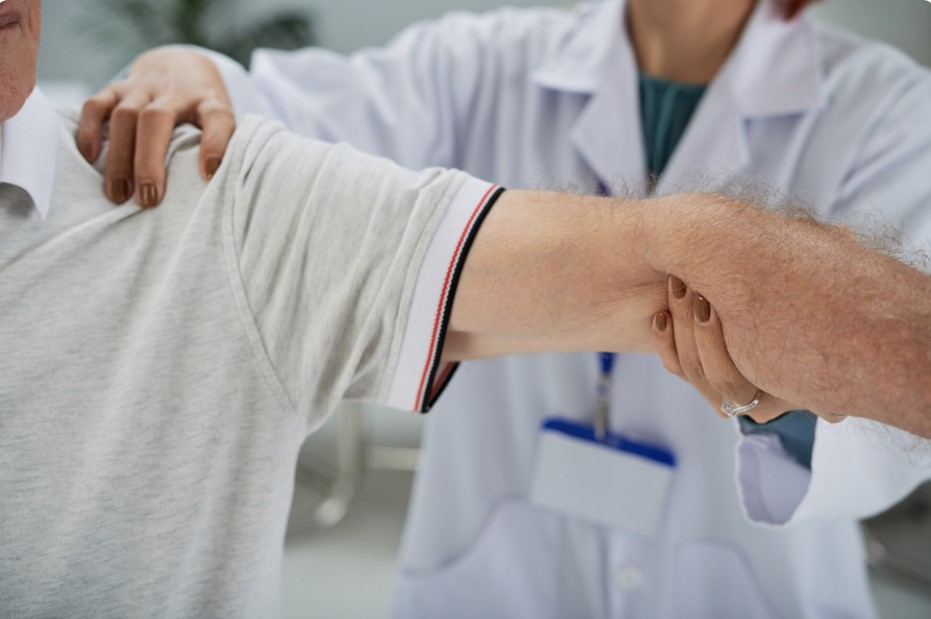
Introduction Pain is one of the most common and debilitating health challenges that many people face, whether it’s acute pain from an injury or chronic pain that lingers over time. Managing pain effectively is essential to improving quality of life, and the approach to pain management must be personalized and multi-faceted. Primary care providers play a critical role in helping patients not only manage their pain but also uncover the root causes to achieve lasting relief. In this blog, we’ll explore the primary care strategies for effective pain management and how these methods can lead to long-term comfort and healing. 1. Comprehensive Assessment of Pain The first step in effective pain management is understanding the nature and source of the pain. Primary care providers begin with a detailed assessment, which includes taking a thorough medical history, conducting a physical examination, and utilizing diagnostic tests as needed. By gathering comprehensive information about the type, location, intensity, and duration of pain, the healthcare provider can better understand its underlying causes. This assessment may involve questions about: Once the pain’s characteristics are clear, a targeted approach can be developed. 2. Multidisciplinary Approach Effective pain management often requires the collaboration of various healthcare specialists. Primary care providers frequently work alongside specialists, such as physical therapists, chiropractors, pain management specialists, and even psychologists. This multidisciplinary approach ensures that all aspects of the pain, including physical, psychological, and emotional factors, are addressed. For instance: Physical therapy can help in conditions like back pain or joint pain, while pain management specialists may offer treatments like injections or nerve blocks. For chronic pain that impacts mood, such as in fibromyalgia or arthritis, a psychologist or counselor might be involved to help manage stress, anxiety, and depression, which can all exacerbate pain. 3. Medication Management In many cases, medications are a vital component of pain management. Primary care providers are well-equipped to prescribe a variety of medications, ranging from over-the-counter pain relievers like ibuprofen and acetaminophen to prescription medications such as muscle relaxants or opioids when necessary. However, the use of prescription medications, particularly opioids, requires careful management to minimize the risk of dependency. Providers often work with patients to find the right balance, ensuring that pain relief is achieved while minimizing the potential for adverse effects or addiction. 4. Non-Pharmacologic Therapies Alongside medications, there are several non-pharmacologic treatments that have proven to be highly effective in managing pain. These include: Physical Therapy Customized exercise regimens help strengthen muscles, improve flexibility, and relieve pressure on joints, which can significantly reduce pain in conditions like arthritis, back pain, and sports injuries. Acupuncture This ancient practice involves inserting thin needles into specific points on the body to stimulate the nervous system. It’s shown to be beneficial for chronic pain conditions like headaches, lower back pain, and osteoarthritis. Massage Therapy Regular massage can help alleviate muscle tension, improve circulation, and promote relaxation, which can ease pain in muscles, joints, and connective tissues. Cognitive Behavioral Therapy (CBT) CBT helps individuals manage chronic pain by altering negative thought patterns, teaching coping strategies, and reducing emotional stress that often exacerbates physical pain. 5. Lifestyle and Dietary Changes Primary care providers also play an essential role in recommending lifestyle and dietary changes that can support pain management. This can include: Exercise Regular physical activity is key to managing pain, especially for conditions like arthritis, back pain, and fibromyalgia. Exercise improves circulation, strengthens muscles, and releases endorphins, which naturally help reduce pain. Diet A diet rich in anti-inflammatory foods, such as leafy greens, fatty fish, and nuts, can reduce inflammation in the body and help manage conditions like rheumatoid arthritis or other inflammatory diseases. Weight Management Maintaining a healthy weight can reduce stress on joints, particularly in the knees, hips, and back. For individuals suffering from osteoarthritis, losing weight can significantly reduce pain and improve mobility. 6. Chronic Pain Management Plans For those dealing with chronic pain, a structured management plan is vital. This plan typically includes a combination of the approaches mentioned above and is personalized to each patient’s needs. Regular follow-ups with a primary care provider ensure that the pain management strategy is adjusted as needed and that the patient is supported throughout their journey to healing. Are you ready to take control of your pain? Our Primary Care providers specialize in creating personalized pain management strategies tailored to your specific needs. Click below to schedule your consultation today! Explore Primary Care Pain Management Solutions FAQs about Pain Management What is the first step in managing pain? The first step is a comprehensive assessment by a primary care provider, which includes a medical history review and physical examination to determine the root cause of the pain. Can physical therapy help with pain management? Yes, physical therapy is an effective non-pharmacologic treatment that helps with pain relief by strengthening muscles and improving flexibility, particularly for back, joint, and muscle pain. How can lifestyle changes reduce pain? Regular exercise, a balanced anti-inflammatory diet, and maintaining a healthy weight can reduce stress on the body’s joints and muscles, decreasing pain, especially for chronic conditions. What are non-pharmacologic treatments for pain? Non-pharmacologic treatments include physical therapy, acupuncture, massage therapy, and cognitive behavioral therapy, all of which are effective for managing various pain conditions. How do I know if my pain is chronic? Chronic pain persists for longer than 12 weeks despite treatment. If your pain continues to affect your daily life over time, it’s essential to consult a primary care provider to discuss long-term management options.
How to Manage Pain Following a Car Accident: Essential Tips

Car accidents are one of the leading causes of personal injuries in the United States, and pain management is often a critical aspect of recovery. Whether the injuries are severe or minor, effectively managing pain can significantly improve recovery time and quality of life. If you’ve been involved in a car accident, it’s essential to know how to address pain, minimize discomfort, and start healing. In this blog, we’ll explore some of the most effective ways to manage pain following a car accident. From seeking medical care to implementing at-home remedies, here are essential tips to help you regain your comfort and mobility. 1. Seek Immediate Medical Attention The first step in managing pain after a car accident is to seek immediate medical care. Even if you feel fine initially, the shock of an accident can mask symptoms. A healthcare provider can assess any hidden injuries, such as whiplash, back pain, or internal injuries, that may not be immediately visible. Early intervention can prevent complications and ensure a faster recovery. 2. Follow Your Doctor’s Recommendations Once you’ve seen a healthcare provider, it’s crucial to follow their treatment plan precisely. This may include taking prescribed medications, attending physical therapy sessions, or using ice and heat treatments. Adhering to your doctor’s instructions is crucial for reducing pain and preventing long-term damage. 3. Rest and Elevate Affected Areas Resting is vital for pain management, especially in the first few days following an accident. Depending on the nature of your injuries, you may need to relax specific areas of your body, like your neck or back. Elevating the affected limbs can also help reduce swelling and improve blood circulation, which aids in faster healing. 4. Use Ice and Heat Therapy Ice and heat are two of the most accessible and effective methods to manage pain after a car accident. Ice can help reduce swelling and numb sharp pain in the initial stages. After a few days, heat therapy can be more beneficial for relaxing tight muscles and increasing blood flow to the injured area. Make sure to alternate between ice and heat to maximize pain relief. 5. Take Over-the-Counter Pain Relievers Over-the-counter (OTC) medications like ibuprofen or acetaminophen can provide effective relief for mild to moderate pain after a car accident. These medications reduce inflammation and alleviate discomfort. Always follow the recommended dosage and consult your doctor before taking any new medicines to ensure safety. 6. Practice Gentle Stretches and Physical Therapy Once the initial pain has subsided, incorporating light stretches into your routine can help prevent stiffness and improve mobility. A physical therapist can design a personalized exercise program to restore range of motion and strengthen muscles that may have been affected by the accident. 7. Manage Stress and Anxiety Dealing with pain after a car accident can cause emotional distress, which can make physical pain feel more intense. Managing stress through techniques like deep breathing, meditation, or mindfulness can help you cope with anxiety and reduce the perception of pain. 8. Use Supportive Devices For more severe injuries, your doctor may recommend using supportive devices, such as braces, neck collars, or back supports. These devices help stabilize the injured area and prevent further strain, allowing you to move more comfortably as you heal. 9. Consider Alternative Therapies In addition to traditional treatments, some individuals find relief from alternative therapies such as acupuncture, massage therapy, or chiropractic care. These methods focus on realigning the body and relieving tension, offering additional pain relief. Always consult with your healthcare provider before pursuing alternative treatments. 10. Be Patient with the Healing Process Pain management after a car accident often takes time. Healing is a gradual process, and it’s essential to remain patient and not push yourself too hard. Remember, rushing the recovery process can lead to further damage and longer-term pain. Listen to your body and progress at your own pace. If you’ve been involved in a car accident and need personalized care, we are here to help you manage pain and navigate your recovery journey. Book your consultation today and take the first step toward feeling better! FAQs It depends on the severity of your injuries. Typically, rest is essential for the first 48 hours, followed by gradual movement. Consult your doctor for specific recommendations. Yes, alternating ice and heat can help with swelling and muscle tension. Ice is typically used in the first 48 hours after the accident, while heat can be used later to promote circulation. Common injuries include whiplash, back pain, neck injuries, fractures, and soft tissue damage. Some injuries may not show symptoms immediately, so it’s essential to seek medical attention. Yes, physical therapy helps improve mobility, reduce pain, and strengthen muscles after an injury. A therapist can guide you through exercises that are tailored to your specific needs. If you experience severe pain, difficulty breathing, dizziness, or other concerning symptoms, seek emergency medical care immediately. It’s always better to be cautious when dealing with post-accident injuries.
Pain Management Solutions: Personalized Care for a Better Quality of Life

Living with chronic or acute pain can be overwhelming and impact every aspect of your life. Whether it’s back pain, arthritis, nerve pain, or pain from an injury, managing it effectively is crucial to maintaining your quality of life. At Prestige Health Urgent Care, we believe that pain management should be as unique as you are — personalized, compassionate, and comprehensive. Understanding Pain and Its Impact Pain is more than just a symptom; it’s a complex experience that affects your physical health, emotional well-being, and daily activities. Untreated or poorly managed pain can lead to decreased mobility, sleep problems, anxiety, and even depression. Personalized Pain Management Solutions Tailored to You Every patient’s pain is different, and so should be the treatment. At Prestige Health, our experienced medical professionals develop customized pain management plans based on a thorough assessment of your health, medical history, and lifestyle. This personalized approach ensures the best possible outcomes. Comprehensive Pain Management Services We Offer Why Choose Prestige Health for Your Pain Management? Taking the First Step Toward a Pain-Free Life Don’t let pain control your life. Our dedicated team is ready to help you find relief and regain your well-being. Whether you need urgent care or long-term pain management, Prestige Health is your trusted partner in health. Ready to start your personalized pain management journey? 👉 Book your consultation now Learn more about our comprehensive services and take control of your health today. FAQs About Pain Management Solutions 1. What types of pain can be treated with personalized pain management?We treat chronic pain (like arthritis, nerve pain) and acute pain from injuries, surgeries, or illnesses. 2. How does personalized pain management differ from standard treatment?It’s tailored to your unique condition, lifestyle, and preferences for more effective and comfortable care. 3. Are interventional pain procedures safe?Yes, they are minimally invasive and performed by experienced specialists to ensure safety and effectiveness. 4. Can lifestyle changes really help with pain management?Absolutely. Nutrition, exercise, and stress reduction can significantly reduce pain and improve quality of life. 5. How do I know if I need pain management services?If pain interferes with your daily activities, sleep, or mood, it’s a good idea to consult with a pain management expert. At Prestige Health, we are committed to providing compassionate, personalized care that puts your health and comfort first. Don’t wait—take control of your pain today for a better tomorrow. Schedule your consultation now: https://www.prestigehuc.com/book-your-consultation/ Explore our services here: https://www.prestigehuc.com/services/